














.jpg)






What is a light refurbishment loan?
A light refurbishment loan is typically a short‑term loan secured on property. The property may be residential or a conversion of a commercial or semi‑commercial building. The valuation is based on the property’s current market value.
From a lender’s perspective, a light refurbishment project is one which:
- Does not alter the structure of the building
- Does not materially impact the layout
- Does not require planning permission
- Does not require Building Control sign‑off (or only minor sign‑off)
- Remains fully habitable throughout the loan term
In short, a lender will insist that the property remains fully marketable at all times.
What qualifies as light refurbishment from a lender’s perspective?
The guiding principle is that works improve the condition of a property, not its form or structure. Typical examples include:
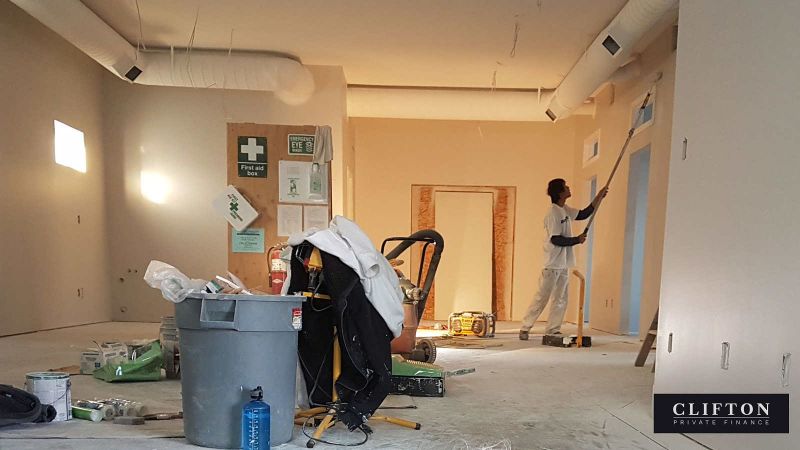
- Painting and redecorating
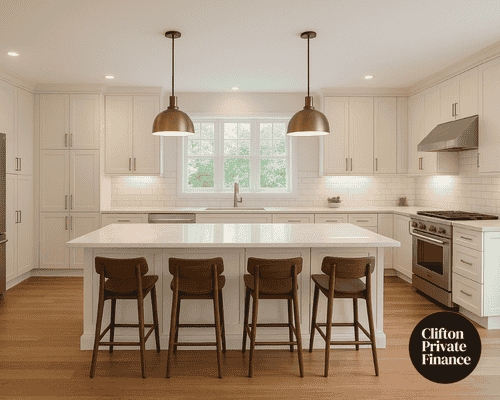
- Kitchen replacement (same location)
- Bathroom replacement (same layout)
- Plumbing improvements
- Electrical rewiring
- Heating system or boiler replacement
- Window replacement
- Non‑structural roof repairs
- Door replacements
- New flooring and tiling
How is heavy refurbishment classified by a bank or specialist lender?
Banks typically classify the following as heavy refurbishment:
- Removal of any walls (even if not load‑bearing)
- Complete roof replacement
- Changes to the property layout
- Significant Building Control involvement
- The property becoming uninhabitable
Specialist lenders may take a less conservative approach. Their guiding principle is: “Could the property be easily sold if works stopped tomorrow?”
- Removal of load‑bearing walls
- Adding an extension
- Installation of structural steel
- Loft conversions
- Change of use
- Planning permission required